Understanding the Risks of a Ketogenic Diet: Why Medical Guidance Matters
While the ketogenic diet offers many benefits, it's important to understand the potential risks and why consulting with a qualified healthcare professional is essential before starting any new diet plan.
1/4/20263 min read
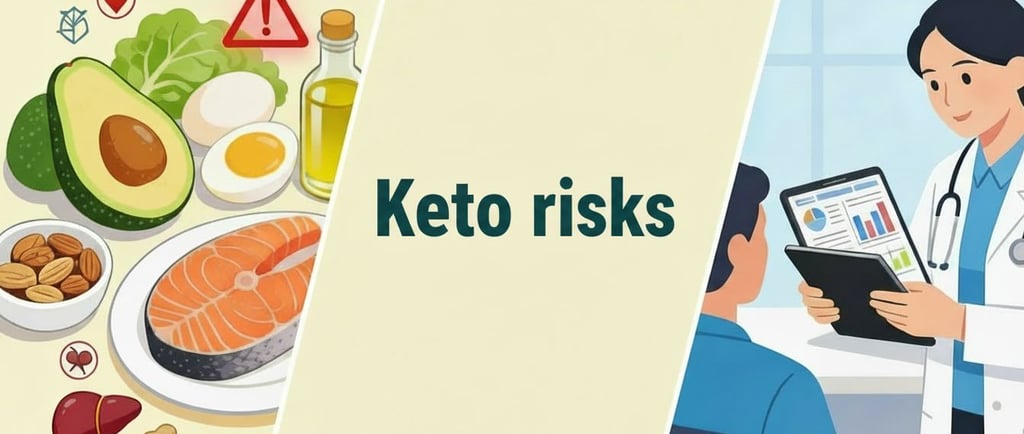
The ketogenic diet has gained immense popularity in recent years for its potential benefits in weight loss, improved energy levels, and metabolic health. However, like any significant dietary change, the keto diet comes with potential risks and considerations that should not be overlooked. Before embarking on this low-carb, high-fat journey, it's crucial to understand these risks and seek guidance from qualified medical professionals.
Potential Health Risks of the Ketogenic Diet
1. Nutrient Deficiencies
The restrictive nature of the ketogenic diet can lead to deficiencies in essential vitamins and minerals. By limiting fruits, whole grains, and certain vegetables, you may miss out on important nutrients like vitamin C, magnesium, and fiber. These deficiencies can affect your immune system, bone health, and digestive function over time.
2. Kidney Stress
The high protein intake often associated with keto diets can put additional strain on your kidneys, particularly if you have pre-existing kidney conditions. The kidneys work harder to process the byproducts of protein metabolism, which can be problematic for some individuals.
3. Keto Flu and Adaptation Period
Many people experience what's commonly called the "keto flu" during the initial transition period. Symptoms include fatigue, headaches, irritability, nausea, and difficulty sleeping. While these symptoms are usually temporary, they can be severe enough to impact daily life and may indicate that the diet isn't suitable for everyone.
4. Heart Health Concerns
Despite some positive effects on cholesterol for certain individuals, the high intake of saturated fats in some keto diets may increase cardiovascular risk factors in others. The impact varies significantly from person to person, making medical oversight essential.
5. Blood Sugar Fluctuations
For people with diabetes or prediabetes, the ketogenic diet can cause significant changes in blood sugar levels. While some see improvements, others may experience dangerous drops in blood glucose, especially if medication dosages aren't properly adjusted.
Why Consulting with Healthcare Professionals Is Essential
Your Primary Care Physician
Before starting a ketogenic diet, schedule an appointment with your family doctor or primary care physician. They can:
• Evaluate your current health status and medical history
• Identify any conditions that might make keto unsuitable or risky
• Order baseline blood work to monitor changes
• Help you understand if keto aligns with your health goals
• Adjust medications if necessary, particularly for diabetes or blood pressure
Registered Dietitians and Nutritionists
A qualified registered dietitian can provide personalized guidance to ensure you're meeting your nutritional needs while following a ketogenic diet. They can help you:
• Create a balanced meal plan that minimizes nutrient deficiencies
• Understand proper macronutrient ratios for your specific needs
• Monitor your progress and make adjustments as needed
• Identify warning signs that the diet may not be working for you
Specialist Consultations
Depending on your health history, you may need to consult with specialists such as:
• Cardiologists for heart health monitoring
• Endocrinologists for diabetes or thyroid conditions
• Nephrologists if you have kidney concerns
• Gastroenterologists for digestive issues
Making an Informed Decision
The ketogenic diet can be a powerful tool for some people, but it's not a one-size-fits-all solution. What works wonderfully for one person might be problematic for another. Medical professionals can help you:
• Determine if keto is appropriate for your unique situationsafe implementation plan
• Monitor your health markers regularly
• Recognize when adjustments or discontinuation may be necessary
• Explore alternative dietary approaches if keto isn't suitable
Remember, the internet is full of success stories and advice, but your health is too important to leave to chance. A healthcare provider who knows your complete medical history is your best resource for making safe, informed decisions about your diet.
Conclusion
While the ketogenic diet offers potential benefits, it's essential to approach it with caution and proper medical guidance. The risks associated with improper implementation or individual health factors can be serious. Before making any significant dietary changes, consult with your family doctor or a qualified healthcare professional who can provide personalized advice based on your unique health profile.
Your health journey should always prioritize safety alongside your goals. By working with medical professionals, you can make informed decisions that support your wellbeing both now and in the long term.
Keto
Explore delicious recipes and keto lifestyle tips.
Blog
Recipes
contact@theketosite.com
© 2024. All rights reserved.